
Shell Profit Nearly Doubles to $10.8 Billion as Refining Margins Hit Record
Direct answer
Shell reported adjusted earnings of $10.8 billion for the third quarter of 2026, nearly double the $5.43 billion it reported a year earlier. The energy group said record refining margins and stronger gas prices lifted the result, which was its strongest quarterly profit since 2022. Shell reported the results on October 29, 2026, and Reuters reported the figures in its coverage of the release.
What happened
Adjusted earnings is a company figure that removes some one-off items, so it is not the same as profit under standard accounting rules. Shell reported adjusted earnings of $10.814 billion for July to September 2026, up from $5.432 billion in the same period in 2025 and up from $9.84 billion in the second quarter of 2026. The result was also above the $10.33 billion consensus estimate compiled by Reuters.
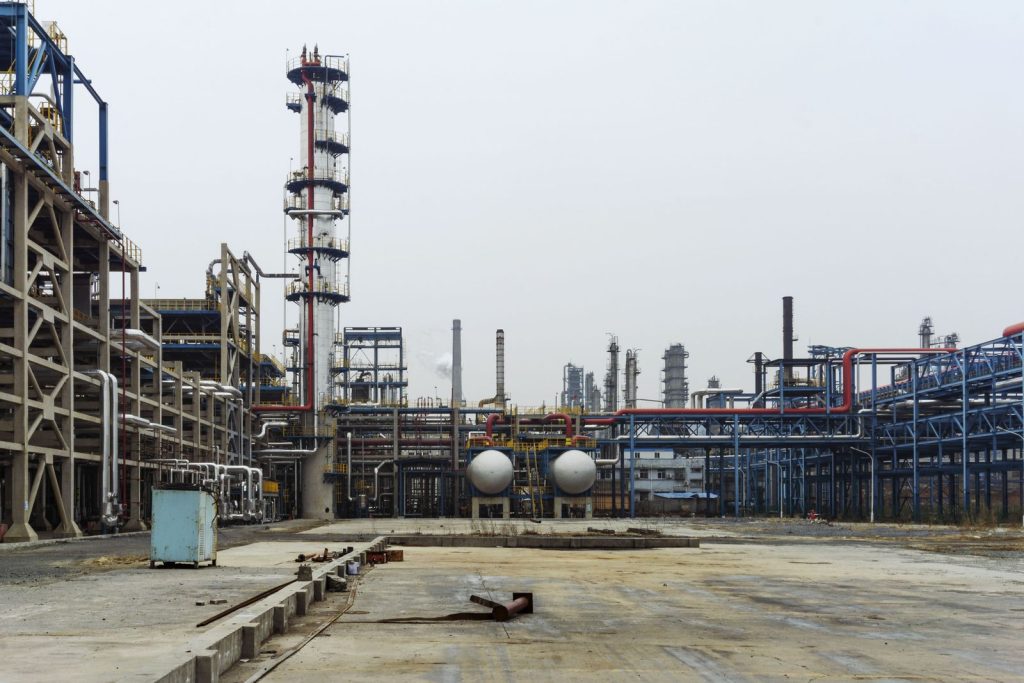
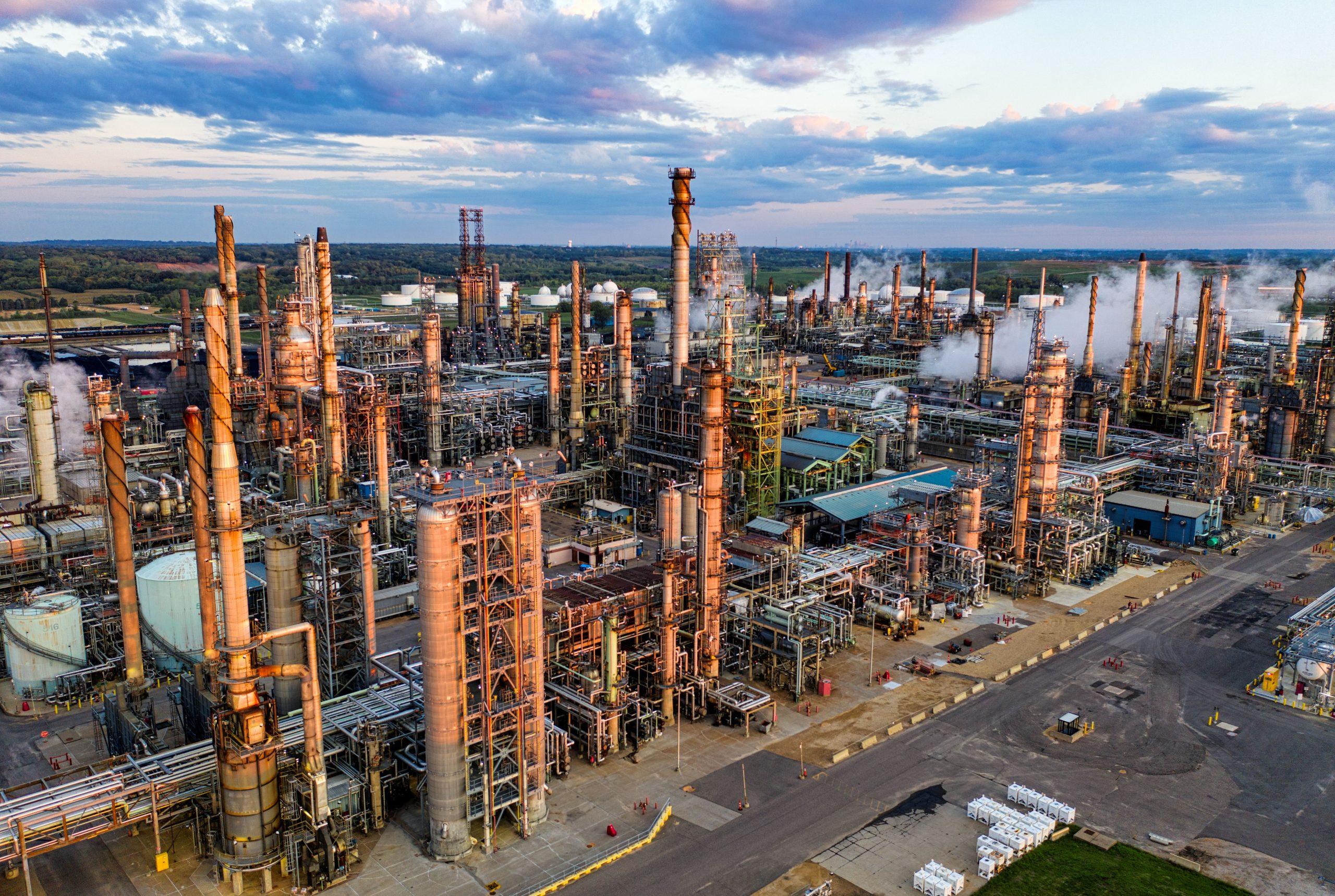
The main driver was refining. Shell said its global indicative refining margin, a rough measure of the profit from turning crude oil into fuels, hit a record $42 a barrel. That was up from $24 a barrel in the second quarter and $11.6 a barrel a year earlier. When refining margins rise, a refiner earns more from each barrel it processes, even if the oil price itself does not move much.
Cash flow from operations reached $21.0 billion in the quarter, and free cash flow reached $16.32 billion. Net debt fell to $39.7 billion at the end of September, down from $41.8 billion at the end of June, and gearing, a measure of debt compared with total capital, fell to 16.6 percent from 18.7 percent.
Shell also announced a new $5 billion share buyback, to be completed before it publishes its fourth quarter results. A buyback is when a company buys its own shares back from investors, which reduces the number of shares in circulation. Shell said it had finished the $4.2 billion buyback announced with its second quarter results. It also declared a quarterly dividend of $0.3906 per share.
The quarter included two portfolio moves. Shell completed its purchase of Canadian gas producer ARC Resources on September 2, 2026, for an equity value of $14.0 billion. The deal added about 370,000 barrels of oil equivalent a day of production, and helped integrated gas production rise 22 percent from the second quarter to 772,000 barrels of oil equivalent a day. Shell and its partners also took a final investment decision on Phase 2 of LNG Canada, which will add liquefied natural gas export capacity.
Shell lowered its full year 2026 cash capital expenditure outlook to $23 billion to $25 billion, from $24 billion to $26 billion, including about $4 billion for the ARC acquisition. It also warned that it expects a non-cash loss of about $6.4 billion in the fourth quarter, linked to removing its Netherlands pension plan from its accounts. That is an accounting change, not a cash payment, but it will affect the reported fourth quarter result.
Why it matters for beginners
A refining margin is a useful concept to learn, because it explains why an oil company can do well even when oil production falls. Reuters reported that Shell’s oil and gas output fell in the first nine months of 2026 from a year earlier, partly because of disruption linked to the Middle East conflict. Strong refining margins and higher realised gas prices more than offset that fall in the third quarter.
A buyback is also worth understanding. When a company buys back shares, each remaining share represents a slightly larger slice of the company. That can support the share price and raise earnings per share, but it does not guarantee a gain, and it uses cash that could otherwise be spent on new projects or held as a buffer.
Shell’s result also fits a wider pattern this earnings season. Other large energy companies, including BP, reported strong third quarter results helped by refining. Our earlier post on BP’s record profit shows a similar story, with higher energy prices and refining margins lifting earnings.
What to watch next
Watch Shell’s fourth quarter results, due on February 4, 2027, alongside its Capital Markets Update. The fourth quarter will include the expected non-cash pension charge of about $6.4 billion, so the reported profit figure is likely to look very different from the adjusted figure, and it will help to check both.
Watch whether refining margins stay near record levels or fall back, since that was the main driver of the third quarter beat. Watch integrated gas production against Shell’s fourth quarter guidance of about 1,080,000 to 1,180,000 barrels of oil equivalent a day, which includes ARC. Also watch whether the $5 billion buyback is completed on schedule, and whether Shell keeps its full year spending inside the lowered $23 billion to $25 billion range.
FAQ
What is adjusted earnings?
Adjusted earnings is a profit figure that a company adjusts to remove items it says are not part of normal trading, such as one-off charges or gains. It is useful for comparing one period with another, but it is not a standard accounting measure, so it is worth checking what was removed.
What is a refining margin?
A refining margin is the difference between the value of the fuels a refiner produces and the cost of the crude oil and other inputs it uses. A higher margin means the refiner earns more from processing each barrel. Shell’s global indicative margin hit a record $42 a barrel in the third quarter of 2026.
What is a share buyback?
A share buyback is when a company uses cash to buy its own shares from investors and cancels them. That reduces the number of shares in circulation. It can raise earnings per share, but it does not guarantee that the share price will rise.
Does a strong quarter mean Shell will keep doing well?
No. One quarter can be lifted by unusual conditions, such as record refining margins linked to supply disruption. Future results depend on oil and gas prices, refining margins, production, costs, and wider demand, all of which can change.
Sources
This article is for general information and education only. It is not legal or financial advice.
